
The Shift Toward Payment Sovereignty
Across the UK and European Union, policymakers and major banks are reassessing dependence on US-based payment networks such as Visa and Mastercard. These two companies currently process the vast majority of card transactions in both regions.
Recent industry discussions suggest a coordinated effort to explore domestic or European-led alternatives. In the UK, major banks have examined the feasibility of a national card scheme to increase competition and reduce external dependency. Across the EU, initiatives such as the European Payments Initiative (EPI) are advancing cross-border instant payment systems under European governance.
For shoppers, this may sound abstract. It is not.
Payment infrastructure quietly determines pricing, speed, and security at checkout.
Why Governments Are Pushing for Alternatives
The shift is driven by three primary concerns:
1. Concentration Risk Visa and Mastercard dominate European card payments. Any pricing changes or policy shifts directly impact merchants and consumers.
2. Fee Structures Interchange and scheme fees ultimately flow through to retail pricing. Even marginal fee reductions at scale can influence consumer costs.
3. Data & Strategic Autonomy Payments generate transaction-level economic data. Governments increasingly view this as strategic infrastructure, not just private-sector plumbing.
The conversation is not anti-American. It is about resilience and long-term control over financial rails.

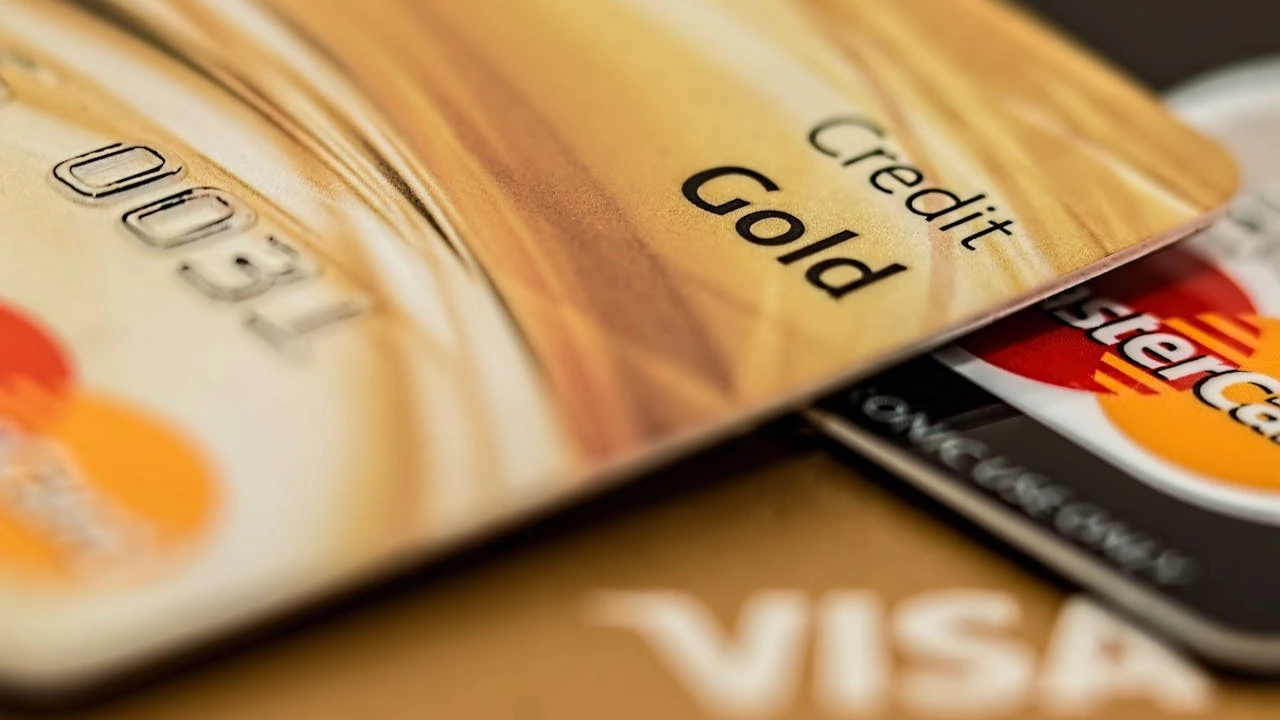
Taken by: Anna Tarazevich @ annatarazevich.com
What This Could Mean for Shoppers
If new systems gain traction, shoppers may see tangible effects:
1. Lower Merchant Costs
Greater competition between payment networks can reduce processing fees. While savings are not guaranteed to flow directly to consumers, increased margin flexibility benefits pricing environments over time.
2. Faster Settlement
European initiatives emphasise instant payments. Faster clearing can improve refund speeds, reduce pending transaction windows, and enhance overall checkout reliability.
3. Stronger Data Governance
Locally governed systems may align more tightly with UK and EU data standards, including GDPR. For consumers, this means greater clarity on how transaction data is stored and processed.
4. New Digital Wallet Options
Pan-European systems may introduce unified digital wallet solutions that work seamlessly across borders without relying on US payment networks.
The Transition Will Be Gradual
Consumers are unlikely to wake up one morning and find Visa or Mastercard missing from their wallets. Any domestic or European alternative would roll out incrementally:
- Initial bank participation
- Pilot merchant integrations
- Hybrid acceptance alongside existing schemes
- Gradual consumer adoption
Payment infrastructure changes slowly because trust compounds slowly.
The Marketplace Impact
For online marketplaces and e-commerce platforms, payment rail diversification could affect:
• Cross-border settlement costs• FX exposure
• Chargeback structures
• Merchant onboarding models • Compliance alignment
Ultimately, infrastructure decisions shape platform margins and long-term defensibility.
What Happens Next
The UK banking sector’s discussions and the EU’s payment initiatives signal a broader shift toward financial infrastructure independence. Whether this results in a dominant alternative network remains uncertain.
What is clear is this:
Payment systems are no longer just backend utilities. They are strategic economic assets.
And when infrastructure changes, shoppers feel it, even if they never see the rails beneath the transaction.