
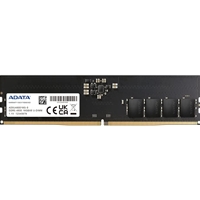


Product specifications are subject to change at the hands of the seller at any time, and may be inaccurate.
Higher Frequencies
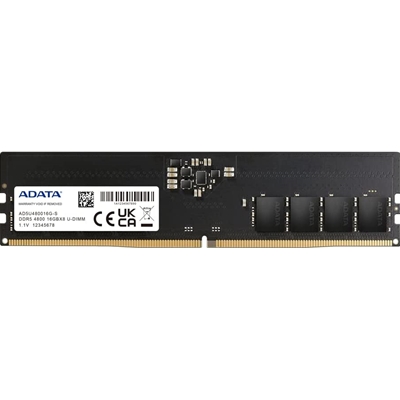
The DDR5-4800 U-DIMM delivers blazing frequencies of up to 4800 MT/s, a major leap from the max. frequency of DDR4 modules (3200 MT/s)
More Energy-Efficient
This next-gen memory module operates on just 1.1V, making it 8% more power-efficient than DDR4. What's more, it features a built-in Power Management IC (PMIC) to enhanced power supply stability.
Capacity Doubled
This memory module's architecture allows for more memory bank groups and banks. With the same area, more bank groups can be packed into the module, doubling what was possible with DDR4, giving you higher capacities.
Improved Stability
With error correcting code (ECC) this module can correct errors automatically in real-time. In addition to greatly reducing the burden of CPU calculations, it also provides increased stability and reliability for enterprise-class computers.
QuikTips: DDR5 vs DDR4 - Appearance
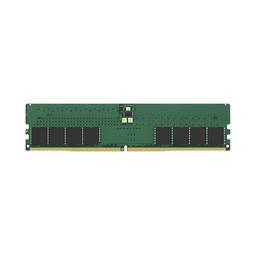
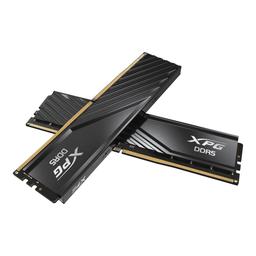
DDR5 U-DIMM modules have the same dimensions and pin count as DDR4 modules. The most obvious difference is the position of the fool-proof notch. Also, DDR5 integrates I/O resistors with CMD/ADD resistors. Also, the appearance of DDR5 modules are cleaner than DDR4. In addition, you can see a PMIC in the center.
QuikTips: DDR5 vs DDR4 - Chip Architecture
DDR5 modules provide two times more capacity than DDR4 by packing in more banks and bank groups. In addition, Burst Length, Prefetch are also doubled, increasing the number of data writes and the amount of data taken upfront. And to ensure data integrity, they feature error correcting code (ECC) technology.
QuikTips: DDR5 vs DDR4 - Performance
The biggest change is that bandwidth and frequency are significantly higher. The ADATA DDR5 memory modules deliver frequencies of up to 4800MT/s and feature bandwidth of 38.4GB/s, which is 50% higher than the DDR4-3200. The maximum frequency is increased 1.63 times compared to DDR4.
Specifications
Series
ADATA Premier
DDR Type
DDR5
Size
1 x 16GB
Speed
4800 MHz
Compliance
PC5-38400
Pins
288-pin
CAS Latency
CL40
Data Integrity Check
ECC
Voltage
1.1V
Heatsink
No
LED Lighting
-
Package Type
Retail
Package Weight
0.0280 kg
Warranty
Lifetime
The seller of this product is solely responsible for the accuracy of the information provided on this listing. AEM Labs does not guarantee the accuracy of the information provided on this page.
Only customers with a platform account can leave a review on the marketplace. They can only be written after a purchase has been made, thereby ensuring every review on the marketplace is verified. Automated reviews are written on behalf of a customer if certain conditions are met. AEM Labs does this to provide more information to other marketpalce users and help them buy and sell with confidence.
This seller has not received any reviews yet. Only buyers who have purchased from this seller can leave a review.
This product is shipped manually by the seller. Contact the seller for shipping information via our messaging system.
These policies are set by the seller upon registration and apply to their entire store. AEM Labs does not enforce and is not responsible for these policies. Message this seller for further information, or contact support if something is wrong.
Tech news, reviews, and guides from the Lab Journal by AEM Labs.

Sell your tech now. Windows 10’s sunset and AI PCs are really boosting demand. List on AEM Labs Marketplace with lifetime free seller accounts and 0% listing fees, plus UK support.
With GPUs hitting £1,200 and CPUs topping £400, new-gen builds have priced many UK consumers out of the market. Instead, the community thrives on second-hand hardware - a culture rooted in affordability, value cycles, and sustainability through reuse and right-to-repair.

CoreWeave and OpenAI have expanded their partnership with a new $6.5B contract, bringing the total to $22.4B in 2025. The deal supports OpenAI’s Stargate project, relies heavily on Nvidia hardware, and raises questions about concentration and regulatory scrutiny in AI infrastructure.

Nvidia’s $100B OpenAI deal promises 10GW of AI compute power by 2026. The company insists GPU supply for gamers won’t suffer, but with such massive demand on the horizon, many fear a repeat of past shortages. Is this the start of an AI-first Nvidia era, and what does it mean for PC gaming?

Nvidia’s $5B stake in Intel isn’t just about faster chips. It’s a U.S. chip alliance forged in the shadow of a trade war with China - a lifeline for Intel to stay competitive, and a move that could reshape how PC gamers and data centers power their systems.
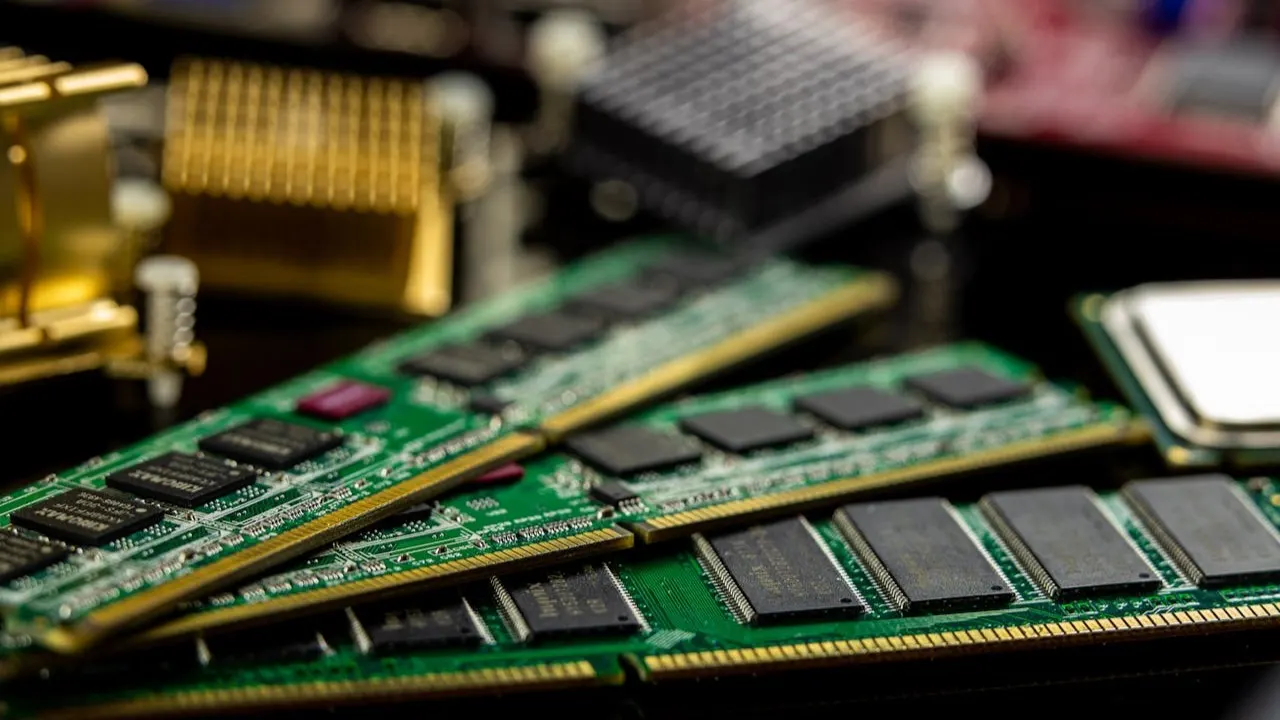
PC parts don’t just lose value.. they cycle. New launches push buyers toward older GPUs and CPUs, reducing supply and raising demand. Here’s why second-hand components stay valuable and how sellers can prepare them for resale.
Windows 10 dies in Oct 2025... but you can continue using it safely. Spend a 6 minute read to learn what it really means, what Microsoft's ESU offers, who qualifies, and how to protect your system while others rush to Windows 11.

Microsoft have pulled the plug. Support for Windows 10 ends in 14 October 2025. Truth be told, not every PC can run Windows 11. Here’s the truth about Microsoft’s requirements, why TPM matters, and what to do if your PC is left behind.
From fake components to disappearing sellers — pre-owned PC deals can go wrong fast. In this post we share 5 true-Reddit horror stories of buying or selling used hardware, plus practical tips you can use to protect yourself every time you trade.

When we built AEM Labs, we knew the marketplace itself was only part of the bigger picture. Buying and selling hardware is important - but the real strength comes from the community. That’s why we’ve built several spaces where you can connect, learn, and have a say in what we do at AEM.
Already have an account? Sign in
Remember your password? Back to Sign In